Tile Adhesive vs Cement — Which is Better for Floor & Wall Tiles?
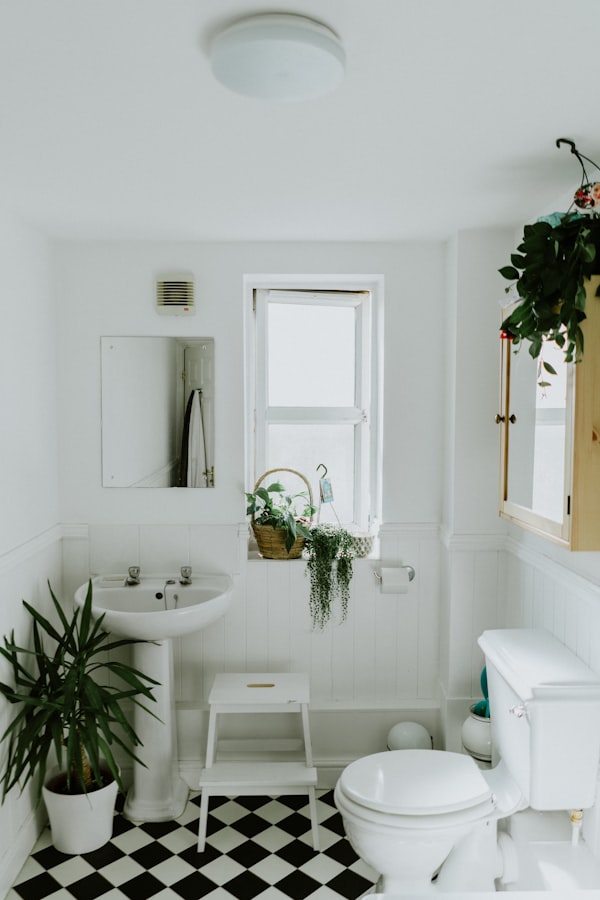
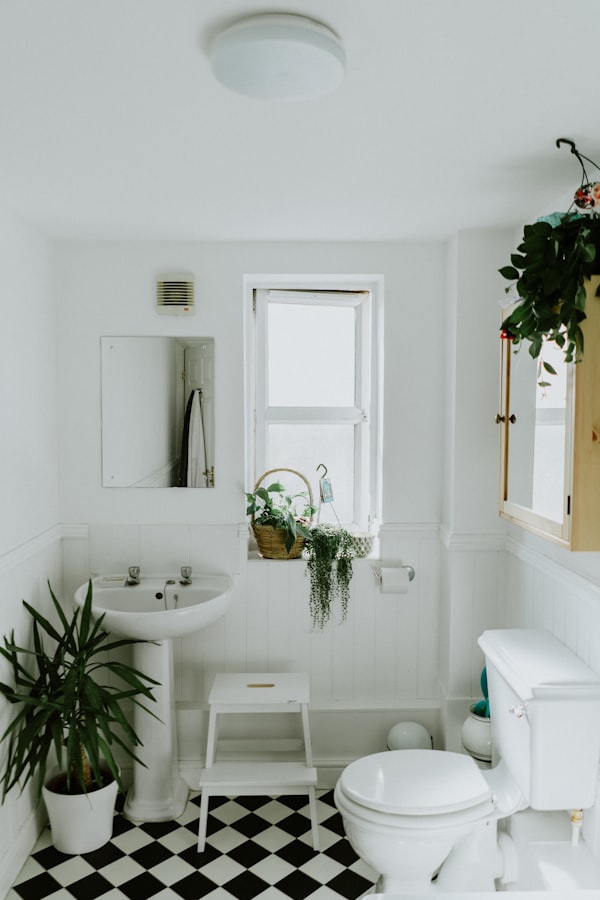
Here is a scenario we see at our store almost every week. A homeowner walks in, shows us a photo of tiles that have popped off their bathroom wall, and asks: "What went wrong?" Nine times out of ten, the answer is the same — vitrified tiles were fixed with regular cement mortar instead of tile adhesive. The contractor probably said "cement is fine, we have always done it this way." Well, it is not fine. Not anymore. Not with the tiles people are using today.
The tile market has changed dramatically in the last decade. Tiles have gone from small 1x1 ft ceramic pieces to massive 2x4 ft vitrified slabs with near-zero water absorption. The fixing method needs to keep up. This guide explains exactly when to use tile adhesive, when cement is still okay, which brands to pick, and how much it will cost you in Bangalore.
Understanding the Basics
How Cement Mortar Works
Traditional cement mortar (a mix of cement, sand, and water) bonds with tiles through a mechanical process. The wet mortar seeps into the pores on the back of the tile, and when it dries, it locks the tile in place. This works well with porous tiles like traditional ceramic and natural stone that have high water absorption. The mortar bed is typically 15-25mm thick, which adds significant weight and floor height. The mixing ratio needs to be precise (typically 1:4 cement to sand), and inconsistent mixing is a common cause of tile failure.
How Tile Adhesive Works
Tile adhesive is a pre-mixed polymer-modified compound that bonds through chemical adhesion. It forms a molecular bond with the tile surface, which means it works even on non-porous surfaces like vitrified tiles, glass tiles, and porcelain. The application thickness is just 3-6mm, reducing weight and maintaining floor levels. It comes pre-mixed in powder form — you just add water, stir, and apply. No guesswork with ratios, no sand quality issues, no mixing inconsistencies.
Head-to-Head Comparison
| Factor | Tile Adhesive | Cement Mortar |
|---|---|---|
| Bond Strength | 10-15 kg/cm2 | 2-5 kg/cm2 |
| Bed Thickness | 3-6 mm | 15-25 mm |
| Vitrified Tile Compatibility | Excellent | Poor (tiles will fall off) |
| Wall Application | Excellent, no sagging | Limited to small tiles |
| Material Cost (per sq ft) | Rs 12-18 | Rs 6-10 |
| Labour Productivity | 80-100 sq ft/day | 50-70 sq ft/day |
| Open Time | 20-30 minutes | 5-10 minutes |
| Tile-on-Tile Application | Possible | Not possible |
When to Use Tile Adhesive (Non-Negotiable)
There are situations where tile adhesive is not optional — it is the only right choice. Vitrified tiles of any size on walls must use adhesive. The near-zero porosity of vitrified tiles means cement simply cannot grip them properly. We have seen entire bathroom walls of vitrified tiles come crashing down because the contractor used cement. It is dangerous and expensive to fix.
Large-format tiles (2x2 ft and above) on both floors and walls need adhesive. The larger the tile, the more stress at the bond line, and the more critical it is to have a uniform, strong adhesive layer. Tile-on-tile installations — where you are laying new tiles over existing old tiles without removing them — can only be done with adhesive. Exterior cladding and swimming pool tiles need flexible adhesive that can handle thermal expansion. And natural stone like marble and granite on walls requires special stone adhesive to prevent staining and ensure secure bonding.
When Cement Mortar is Still Fine
Cement mortar is not dead. It still works perfectly well for small ceramic floor tiles (1x1 ft or smaller) with good porosity, mosaic tiles, and basic outdoor paving. If you are tiling a utility area, staff quarters, or exterior flooring with small ceramic tiles, cement mortar is the economical and practical choice. Just make sure the mix is consistent and the tiles are soaked in water for at least 30 minutes before laying.
Best Tile Adhesive Brands Available at VarNa Homes
Roff Tile Adhesives
Roff (by Pidilite) is the market leader in India and our top recommendation. Roff Setaflex is the premium option at Rs 600-750 per 20 kg bag — it works on virtually any tile type including large-format vitrified, natural stone, and glass mosaics. For standard vitrified tile floors, Roff Tilefix at Rs 350-450 per 20 kg bag offers excellent performance at a lower cost. For walls, Roff Active Bond has superior non-sag properties that hold heavy tiles in place immediately after application. Coverage is typically 40-50 sq ft per bag with a 3mm notch trowel.
MYK Laticrete
MYK Laticrete is an international brand that is gaining strong traction in Bangalore. Their Laticrete 335 Super Flex is a premium tile adhesive designed for heavy-traffic commercial and residential applications. It costs Rs 700-900 per 20 kg bag but offers exceptional bond strength and flexibility. For swimming pools and exterior applications, Laticrete is often the preferred choice among Bangalore's premium builders. Their tile grouts are also excellent — Laticrete Spectralock is a stain-proof epoxy grout that never needs sealing.
Fosroc Nitotile
Fosroc Nitotile adhesives are trusted by commercial builders and offer excellent performance for large-scale projects. Nitotile MPP is their multi-purpose tile adhesive suitable for most residential applications at Rs 400-550 per 20 kg bag. It is a reliable mid-range option that we stock at VarNa Homes.
Application Tips for Best Results
Whether you are a contractor or a homeowner supervising the work, these tips ensure your tiles stay put for decades. Always use a notch trowel, not a flat trowel. The notch creates uniform ridges that collapse when the tile is pressed, ensuring 100% contact between adhesive and tile. For tiles larger than 1x1 ft, use the back-buttering technique — apply adhesive on the wall or floor AND on the back of the tile, then press the tile with a slight twist. This ensures zero hollow spots behind the tile.
Use tile spacers consistently for even grout lines. Do not walk on freshly laid floor tiles for at least 24 hours. Allow 48-72 hours before grouting. And critically, do not mix too much adhesive at once — once mixed with water, tile adhesive has a pot life of about 2-3 hours. After that, it starts losing its bonding properties. Mix only what can be used within this window. If the adhesive starts skinning over or feels stiff, discard it and mix a fresh batch. At VarNa Homes, we are happy to demonstrate the correct mixing and application technique when you purchase adhesive from us.
Cost Comparison for a Typical Bangalore Bathroom
Let us run the numbers for a standard 40 sq ft bathroom with vitrified wall and floor tiles. Using tile adhesive: you need approximately 2 bags of Roff Setaflex for walls (Rs 1,400) and 1 bag for the floor (Rs 700), totalling about Rs 2,100 for adhesive material. Using cement mortar: you need roughly 1 bag of cement (Rs 400) and sand (Rs 200), totalling Rs 600. But here is the catch — cement mortar on vitrified wall tiles is a recipe for disaster. The tiles will come loose within a year or two, and fixing them will cost Rs 5,000-10,000 in labour alone, plus replacement tiles for any that break. The Rs 1,500 savings on material becomes a Rs 10,000+ repair expense. We see this scenario play out all too often.
Frequently Asked Questions
Is tile adhesive better than cement for fixing tiles?
For most modern applications, tile adhesive is better than cement. It provides stronger bonding, thinner application (3-6mm vs 15-25mm), faster setting, and better performance with large-format and vitrified tiles. Cement mortar is still suitable for small ceramic floor tiles in dry areas.
What is the price of Roff tile adhesive in Bangalore?
Roff Setaflex tile adhesive costs approximately Rs 600-750 for a 20 kg bag in Bangalore. Roff Standard tile adhesive is Rs 350-450 for 20 kg. Coverage is typically 40-50 sq ft per 20 kg bag with a 3mm bed thickness. Visit VarNa Homes for current prices.
Can I use cement to fix vitrified tiles on walls?
We strongly advise against it. Vitrified tiles have very low water absorption (less than 0.5%), so cement mortar cannot bond properly with them. The tiles will eventually come loose and fall off, which is dangerous on walls. Always use tile adhesive for vitrified and large-format wall tiles.
How much tile adhesive do I need per square foot?
With a standard 3mm notch trowel application, one 20 kg bag of tile adhesive covers approximately 40-50 sq ft. For larger tiles (2x2 ft or bigger), you may need a 6mm notch trowel which reduces coverage to 20-25 sq ft per bag. Your tile size and wall flatness affect actual consumption.
Which is more cost-effective — tile adhesive or cement?
Cement mortar is cheaper per bag, but tile adhesive often works out similar or cheaper overall because you use less material (thinner bed), waste less due to better workability, and save on labour time. Plus you avoid the hidden cost of tiles falling off later that you get with wrong cement application on vitrified tiles.
Need the Right Tile Adhesive?
Tell us your tile type and area size, and we will recommend the exact adhesive with quantity calculation.
Chat With Us